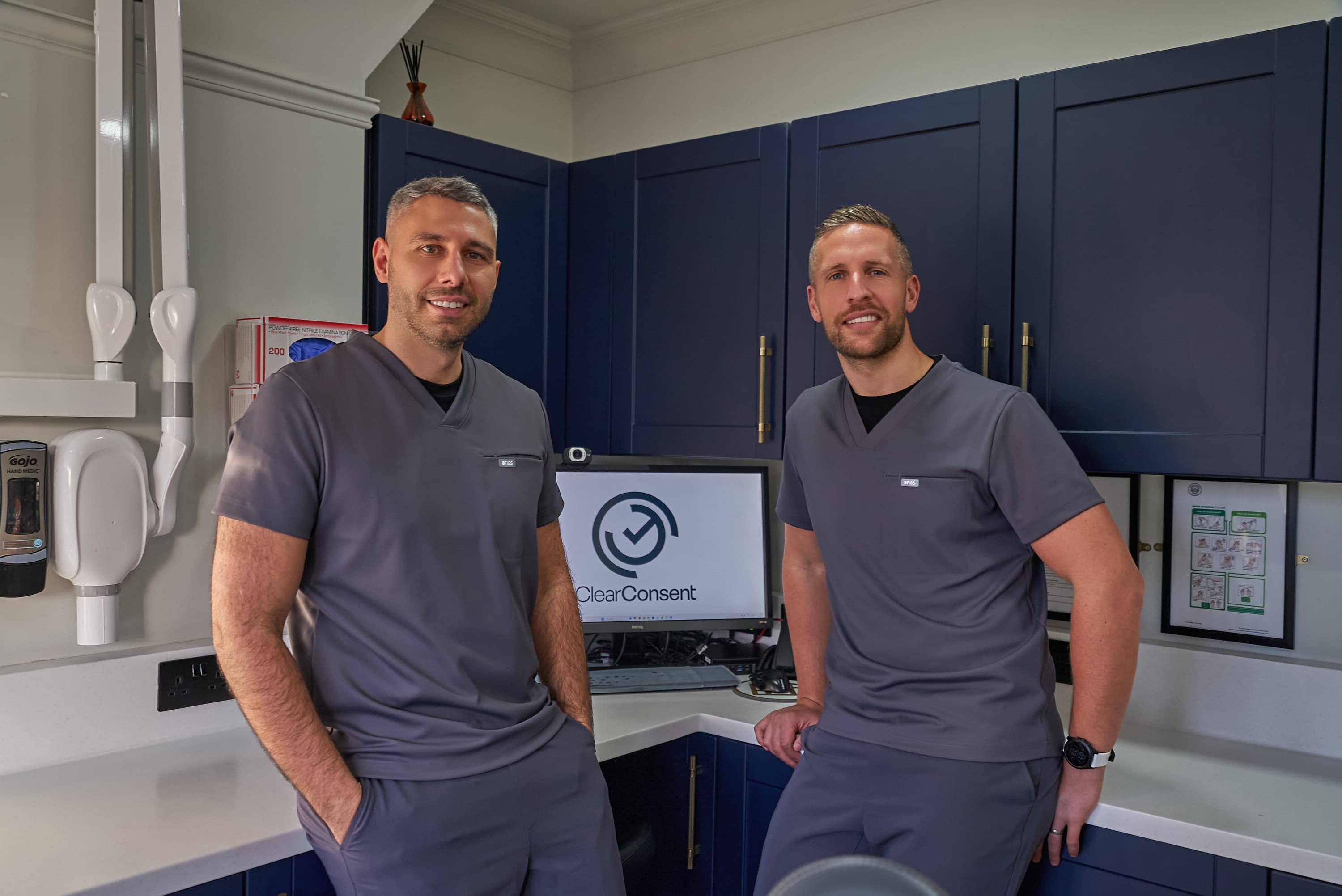
For many years, consent in dentistry has often been reduced to a familiar moment: a patient signs a form, the form is stored in the records, and treatment proceeds.
But valid consent has never really been about the signature.
A signature may show that a patient agreed to treatment. It does not, by itself, prove that the patient understood the treatment, the risks, the benefits, the alternatives, the costs, or what could happen if they chose to do nothing.
That distinction matters.
In modern dentistry, consent is no longer just an administrative task. It is a clinical, ethical and medico-legal process. It is about helping patients make informed decisions, giving them time to absorb information, checking that they have understood, and documenting the process clearly.
That is why Clear Consent exists: to help dentists and practices move beyond outdated paperwork and deliver a clearer, safer and more consistent consent experience.
What does valid dental consent actually mean?
Dental consent is not simply permission to carry out treatment. It is the patient’s informed agreement to proceed after receiving information in a way they can understand.
The General Dental Council makes this very clear. Its standards state that a signature on a form is important, but it is the discussions with the patient that determine whether consent is valid. The GDC also says dental professionals should document those discussions and check that patients have understood the information given to them. https://standards.gdc-uk.org/pages/principle3/principle3
In practical terms, this means a patient should understand:
- what treatment is being recommended
- why it is being recommended
- the likely benefits
- the material risks
- reasonable alternatives, including no treatment
- the likely consequences of not proceeding
- the costs involved
- whether the treatment has any guarantees or limitations
- who is providing the treatment
- what questions they still need answered before making a decision
This is why consent is more than a form. It is a process of communication, understanding and shared decision-making.
The problem with relying on traditional dental consent forms
Written consent forms still have a place. They can be useful. They can help structure information. They can provide a record that a patient agreed to treatment.
But on their own, they are limited.
A traditional dental consent form may be:
- signed without being properly read
- too generic for the treatment being provided
- difficult for patients to understand
- inconsistent between clinicians
- completed too close to the treatment appointment
- scanned poorly or stored incorrectly
- missing key risks, alternatives or costs
- unable to show whether the patient genuinely understood
For a busy dentist, it is easy to feel reassured by a signed form. But if a patient later says, “I didn’t understand that risk,” or “Nobody explained the alternatives,” the real question becomes: what evidence exists that the consent process was clear, specific and understood?
That is where many traditional systems fall short.
A signed form may show agreement. It does not necessarily show understanding.
Why patient understanding is the real standard
Patients do not all process information in the same way.
Some patients are anxious. Some are overwhelmed. Some nod along because they feel embarrassed to ask questions. Some struggle with dental terminology. Some need more time to think. Some may not have English as their first language. Some will forget much of what was discussed by the time they get home.
That does not mean the dentist has done anything wrong. It means dentistry is complex, clinics are busy, and consent conversations are often happening under time pressure.
This is especially true for treatments such as:
- dental implants
- extractions
- surgical extractions
- root canal treatment
- crowns and bridges
- orthodontics and aligners
- tooth whitening
- periodontal treatment
- sedation
- complex restorative dentistry
These are not simple transactions. They involve risks, alternatives, expectations, costs and decisions that patients need time to understand.
Clear Consent helps solve this by allowing dentists to send structured, patient-friendly consent information before treatment. Patients can review the information in their own time, pause it, rewatch it, reflect on it and complete understanding checks before signing.
That creates a better experience for the patient and a stronger process for the clinician.
For individual clinicians, you can learn more here - https://www.clearconsent.co.uk/dentists
Consent should support the conversation, not replace it
Digital consent should never remove the clinician from the consent process.
Clear Consent is designed to support clinical conversations, not replace them.
The dentist still diagnoses. The dentist still recommends treatment. The dentist still answers questions. The dentist still checks whether the treatment is appropriate. The dentist still makes the final clinical judgement.
But Clear Consent makes the process more consistent, structured and defensible.
Instead of trying to explain every risk, benefit and alternative verbally from memory during a busy appointment, the dentist can use a clear digital workflow that supports the patient before treatment begins.
This means the chairside conversation becomes more focused and more valuable. Rather than simply delivering information, the clinician can clarify understanding, answer specific questions and deal with patient concerns.
That is a better use of clinical time.
The medico-legal risk of poor consent
Many dental complaints are not simply about the technical outcome of treatment. They are about expectation, communication and misunderstanding.
A patient may accept a complication if they clearly understood it was a recognised risk. They are less likely to accept it if they feel the risk was never properly explained.
That is why documentation matters.
Good consent records should show:
- what information was provided
- when it was provided
- what treatment the information related to
- whether risks and alternatives were explained
- whether the patient had the opportunity to ask questions
- whether the patient understood the information
- whether the patient consented freely
- whether the consent was specific to the proposed treatment
Clear Consent creates a digital audit trail that can include video completion, comprehension checks, patient questions, digital signatures and completed consent documentation. The platform is specifically designed to help dentists create clearer, more organised and more defensible records. Clear Consent’s website describes this as replacing outdated paperwork with branded digital workflows, defensible audit trails and clearer patient understanding.
That does not make consent “bulletproof”. No system can guarantee that. But it does help demonstrate that the patient received structured information, had the chance to understand it, and completed a clear consent process before treatment.
Why consistency matters across a dental practice
For practice owners, consent is not only an individual clinician issue. It is a practice-wide governance issue.
If every clinician explains treatment differently, uses different forms, stores information differently and documents consent in a different way, the practice becomes vulnerable to inconsistency.
That creates problems for:
- clinical governance
- complaints handling
- associate onboarding
- treatment acceptance
- patient experience
- record keeping
- practice reputation
- medico-legal confidence
A standardised digital consent process helps practices create a more reliable approach.
It ensures patients receive consistent, high-quality information regardless of which clinician they see. It helps practice owners reduce variation, improve documentation and create a clearer process for the whole team.
Clear Consent’s practice owner page focuses on reducing complaints, standardising consent and protecting the business by helping patients receive clear, documented explanations.
For multi-clinician practices, corporates or growing dental groups, you can explore how Clear Consent helps standardise consent across your practice here - https://www.clearconsent.co.uk/practice-owners
Why video improves the dental consent journey
Written forms can be difficult for patients to engage with.
Many patients do not want to read long documents filled with clinical terminology. Others may skim the form, sign it quickly and only later realise they did not fully absorb the information.
Video can make the process more accessible.
A clear, structured dental consent video can:
- explain treatment in plain English
- present information in a calmer format
- help patients visualise the procedure
- give patients time to process information
- allow patients to pause and rewatch
- reduce the pressure of making decisions in the chair
- improve consistency between clinicians
- support patients with different learning preferences
Clear Consent uses AI-powered consent videos, digital forms and built-in comprehension checks to help patients understand treatment before they sign. The platform’s homepage describes it as a smarter way for dentists to manage patient consent, using AI-powered videos, quizzes and digital forms to improve understanding and protect the clinician.
That is a significant shift.
The consent process becomes less about paperwork and more about patient education.
Why comprehension checks are so important
One of the most important questions in dental consent is not: “Has the patient signed?”
It is: “Has the patient understood?”
This is where comprehension checks can add real value.
A patient may watch a video and then answer simple questions to confirm that key information has been absorbed. If they misunderstand something, the dentist can identify that before treatment begins.
That is powerful.
It gives the clinician an opportunity to step in, clarify the issue and record that the patient’s concern or misunderstanding was addressed.
In other words, the process becomes interactive.
That is very different from handing a patient a form and hoping they have read it properly.
Better consent improves patient trust
Excellent consent is not just about reducing risk. It is about building trust.
When patients feel informed, respected and unhurried, they are more likely to feel confident in their decision. They are more likely to understand what treatment involves. They are more likely to have realistic expectations. They are more likely to value the professionalism of the practice.
This matters commercially as well as clinically.
A clear consent process can support:
- better patient confidence
- improved treatment acceptance
- fewer misunderstandings
- stronger relationships
- a more premium patient journey
- better reviews and word of mouth
- greater trust in higher-value treatment plans
Patients increasingly expect healthcare to be digital, accessible and convenient. They book online, receive reminders, complete forms digitally and manage much of their life through their phone.
Consent should not feel stuck in the past.
What makes Clear Consent different?
Clear Consent was built by dentists who understand the reality of clinical practice.
Dentistry is busy. Appointments run late. Emergencies happen. Patients forget information. Clinicians repeat the same explanations again and again. Paper forms get lost, scanned or completed inconsistently.
Clear Consent helps modernise the process.
Depending on the plan selected, Clear Consent can support dentists and practices with:
- written digital consent forms
- customisable consent templates
- patient-facing AI consent videos
- stock AI avatars
- custom AI avatars
- practice branding
- multi-language video options
- comprehension questions
- digital signatures
- secure audit trails
- team member access
- scalable practice workflows
The result is a more consistent consent process that helps patients understand treatment and helps clinicians document consent more effectively.
You can view the current options on the Clear Consent pricing page here - https://www.clearconsent.co.uk/#pricing
Dental consent should be proactive, not reactive
Too often, consent only becomes a focus after something has gone wrong.
A patient complains. A record is reviewed. A signed form is found, but the documentation is thin. The clinician then has to explain what was discussed weeks, months or even years earlier.
That is not the ideal time to discover that the consent process was not robust enough.
A better approach is proactive.
Before treatment begins, patients should receive clear information. They should have time to review it. They should be able to ask questions. Their understanding should be checked. Their consent should be documented.
That is the standard modern dentistry should be aiming for.
From “signed” to “understood”
The future of dental consent is not simply digital signatures.
It is not about replacing one form with another form.
It is about moving from a “signed” consent model to an “understood” consent model.
That means:
- clearer explanations
- better patient education
- more consistent workflows
- stronger documentation
- fewer assumptions
- more time for questions
- less pressure in the surgery
- better evidence of understanding
That is what “more than a signature” really means.
A signature is the end point. Understanding is the goal.
Is your consent process good enough?
Every dentist wants to do the right thing for their patients.
But the question is not whether you care about consent. The question is whether your current process reliably proves that consent was clear, specific, informed and understood.
Ask yourself:
- Are your consent conversations consistent every time?
- Do patients have enough time to absorb complex information?
- Can patients revisit the information after the appointment?
- Do you check understanding before treatment?
- Are risks and alternatives documented clearly?
- Could you defend your consent process if challenged?
- Does your current system reflect the standard of care you want to provide?
If the answer to any of these questions is uncertain, it may be time to modernise your consent workflow.
Clear Consent helps dentists and practice owners deliver a clearer, safer and more consistent consent process — one that protects clinicians, supports patients and raises the standard of care.
Consent is more than just a signature.
It is clarity.
It is understanding.
It is trust.
It is protection.
It is better dentistry.
Ready to improve your consent process? Sign up today - https://www.clearconsent.co.uk/sign-up